
In Japan,There are two New YearsDid you know?
One is the well-known New Year's Day on January 1st. The other is Koshogatsu (Little New Year).
Ko-shogatsu falls around January 15th. Although it is not a big event these days, it is an important part of Japanese culture and reflects the way of life and thinking of the Japanese people.
[Difference between New Year's Day and Little New Year's Day]
New Year's Day on January 1st is also called O-shogatsu.
'good work' (equiv. of silver star awarded to children at school)New Year
– Family gatherings
- Sending New Year's greetings
– Eat New Year's dishes
◎Little New Year
– End of New Year
- Prepare to return to normal life
– A quiet day to calm your mind
In Japan, it is important to clearly define the beginning and the end.
Ko-shogatsu is the day that marks the end of the New Year.
[Origin of Koshogatsu]
Ko-shogatsu was originally celebrated on January 15th of the lunar calendar (the old lunar calendar), the first full moon of the year. In the past, Japanese people treasured the full moon as an auspicious occasion.
【【What to eat on Koshogatsu】
Although it varies slightly depending on the region, there are several traditional foods that are eaten on the morning of Little New Year.
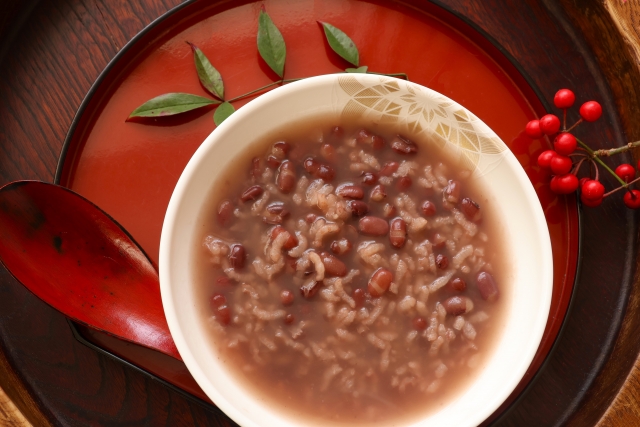
◎ Red bean porridge
People eat "red bean porridge" made from red beans and rice, and pray for good health. It has long been believed that red beans have the power to ward off evil spirits.
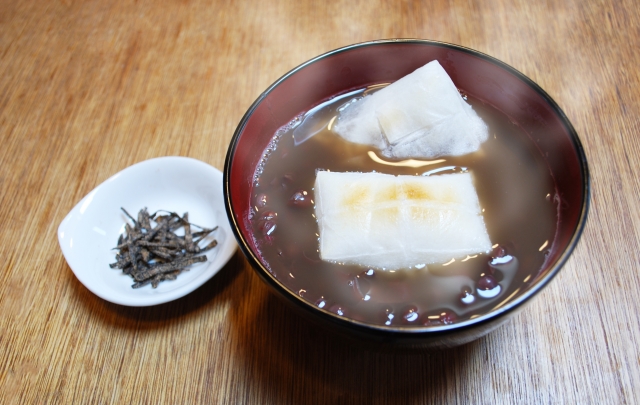
◎Mochi (rice cakes) and zenzai (sweet red bean soup)
It is said that this will bring you the power of the gods. In some regions, Kagami mochi is baked and eaten, or made into zenzai (sweet red bean soup).
[Little New Year's events and decorations]
These kinds of events and decorations have been held since ancient times on Ko-shogatsu.
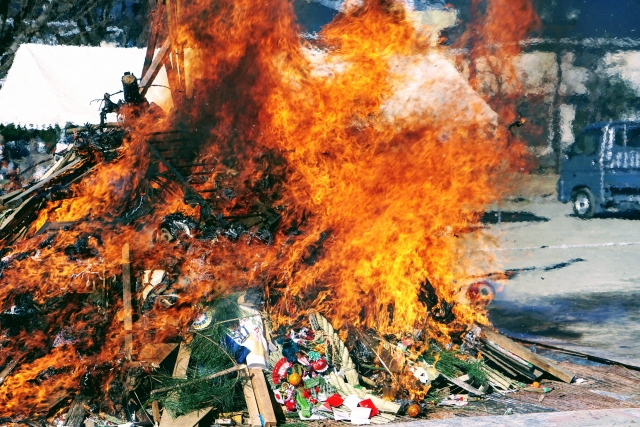
◎Dondoyaki
This is a fire festival where Kadomatsu (New Year's decorations), New Year's decorations, and calligraphy are burned. It is believed that the New Year's deity returns to the mountain along with the smoke. Eating rice cakes roasted over this fire is said to ensure good health and safety for the year.
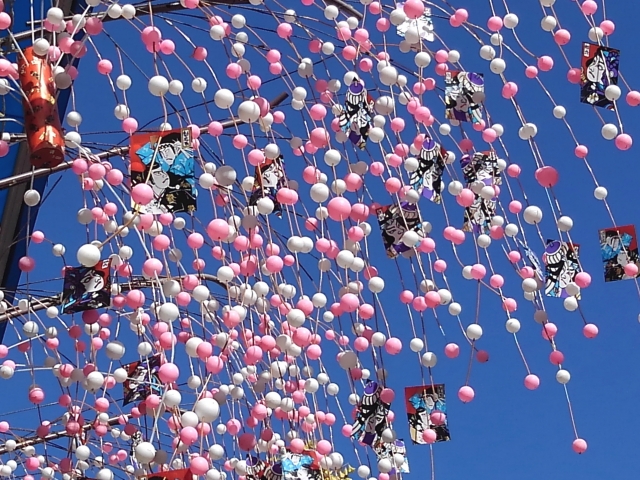
'good work' (equiv. of silver star awarded to children at school)Mochibana and Mayudama
These are small red and white rice cakes attached to tree branches, and are also used as decorations to pray for good harvests and good health.
Ko-shogatsu is not a flashy celebration, but it is an important day to organize your life and your mind.
If you are in Japan around January 15th, try thinking, "Today is Little New Year," and get a feel for the depth of Japan's seasonal sense and culture.
You'll feel like you're closer to winter in Japan.
 English
  Japanese
  Chinese
  Vietnamese
  Nepali
  Korean